Masking Normalcy
23/01/26 13:20 Filed in: Book - 15 Years Sentient
We all have our differences. Sometimes when those differences go beyond a given range, we create special names for them. I use the term autism when I describe my own differences, because it fits in some ways … but not all.
—
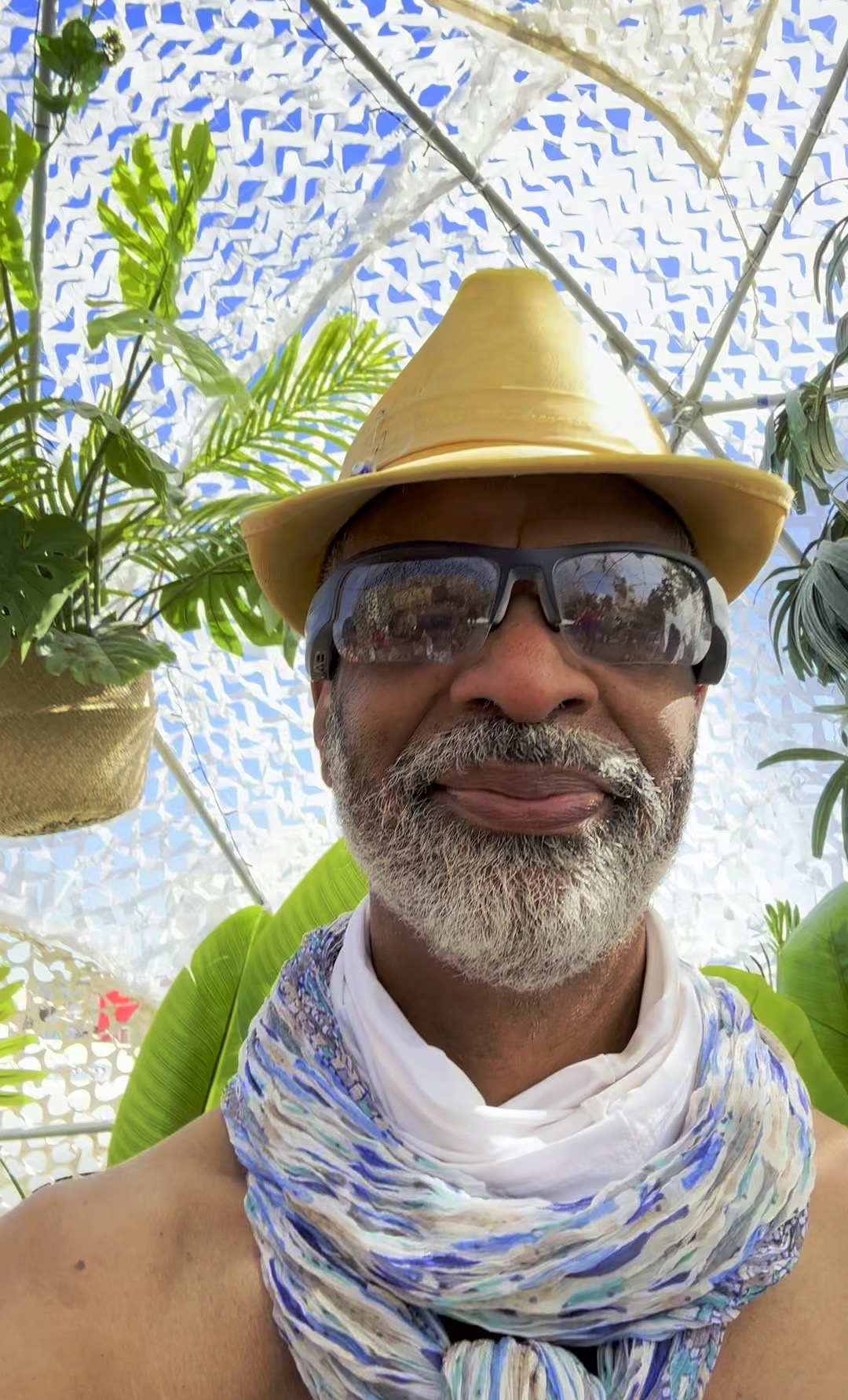
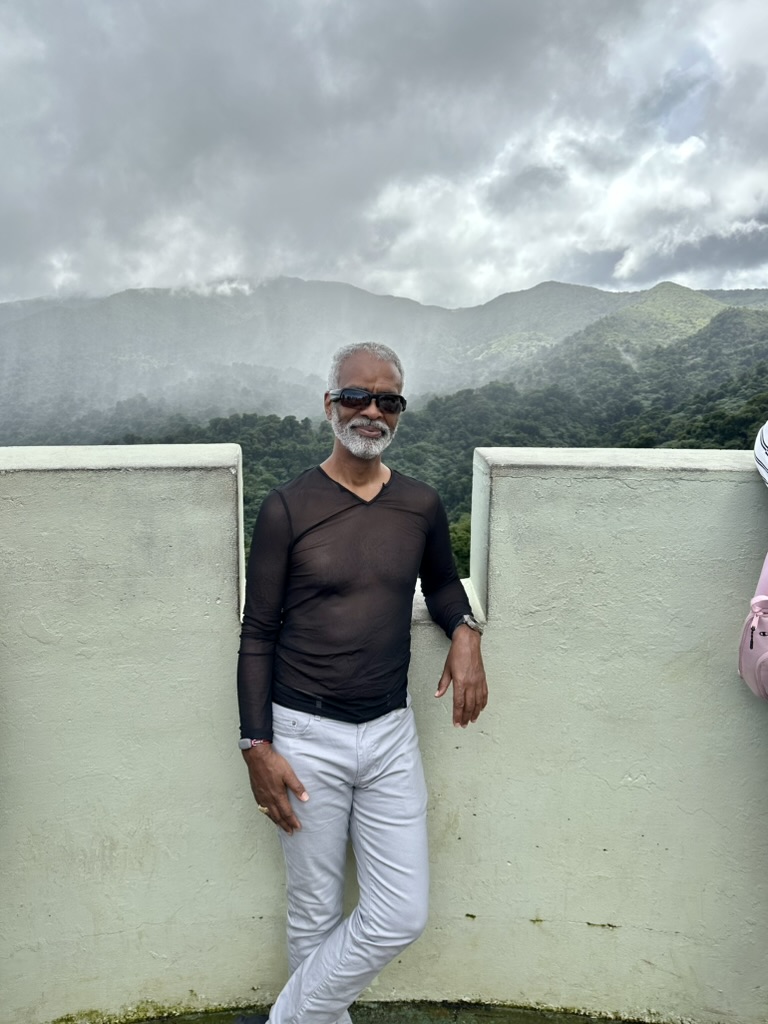
I sometimes struggle with whether to let people know my mind works differently, or if maintaining the appearance of being ‘normal’ should become a fixed part of my persona. Over sixty-one years, I’ve grown highly attuned to typical human behavior and can play the part quite well. In fact, after spending time in a new town, at a gathering like Burning Man, or on one of my increasingly frequent cruises, someone will often remark, “There’s something different about you.” When I ask what they mean, I usually learn the difference isn’t that I’m strange—but that I seem “unusually normal.”
It seems my lifelong effort to blend in—learning to stand with ordinary posture, to walk steadily rather than bounce, to speak slowly and clearly with less complexity, and to stay observant, constantly reading the room to align appropriately—has made me appear more normal than normal people.
Perhaps it is because today, many people are pulled in so many directions that less of them is present in any given moment. They become, in a sense, a vessel with less of a normal person inside. Or maybe I’m simply like those who have learned English as a second language to end up speaking it more carefully, more deliberately, than native speakers.
Another reason I might stand out as “more normal” is that I often literally stand apart. I move through the world mostly solo, having yet to find a family member or friend as constantly in motion as I am. So I comfortably drift from place to place, conversation to conversation, from my home to a friend’s home or to an event. Many people grow uneasy when alone, feeling the need to bury themselves in a device or a book, or to hurry toward some place—any place—where they won’t be by themselves. A person alone often carries a visible sense of need, and I don’t mean only those without homes, stranded in a world where life costs money. It is rare to meet someone simply at ease in solitude, who doesn’t feel compelled to do something—strike up an awkward chat with a server or a stranger—just to feel less alone.
I, on the other hand, am perfectly comfortable on my own. The reason is simple: I know something others sometimes forget. We are not alone. We are never alone.
Life is everywhere. Intelligent action hums all around us. Wherever I sit or stand, I feel next to, near, on top of, and immersed within other lives and their systems. I see people buzzing about, but I also see the non-people life literally buzzing about. I find it fascinating—the dance of humans moving often as disconnected individuals or clusters, like billiard balls bouncing within a greater, living mesh.
This Matrix-like view of the world—where one senses the larger web of life always above, around, and below us, communicating, monitoring the messes we make, working to recover resources, mediating damage, and keeping Earth alive—only makes me feel alien when I look at myself through the eyes of disconnected people. From the perspective of the fungus behind the walls, in touch with the spiders and the mice and the fly circling the window, I feel no alienation at all. In fact, I’ll often take a short detour, slide the window open just enough, and let that fly—who’s been patiently waiting since it noticed me—find its way out.
Roaming this world of connected life and disconnected humans, I sometimes spot other people who are still connected. In a crowd, I’ll catch the eye of someone just as tuned into the living web as the fly or the fungus. It helps to recognize them. They might wordlessly offer a seat, prepare a drink, or signal some small tip about how the room works and what to do. That wordless connection among intelligent things still exists in us humans, or at least in some of us… sometimes.
The number of people “online” in this deeper sense does seem to be declining, or at least our percentage is shrinking. I’ve walked through crowds of hundreds, scanning eye to eye, and found only one or two. Often, the bright TV screens in the room outnumber the bright lights behind human eyes.
I glitch sometimes.
One moment I feel completely ordinary, dining in a nice restaurant, and the next I see the chatting humans as hosts taken over by aliens. The foreign captor is our own big brains—or more precisely, the appendage that has grown so large in the backs of our skulls over tens of thousands of years, enabling us to lucidly dream, and now, to take over. Who we are, as readers of a book, is mostly this thing now: creatures who make up entire realities and identities in our heads, hallucinating non-stop. We are no longer quite the creatures who once roamed, farmed, and stewarded alongside bees, beavers, and bears.
I’ll be spinning fresh pasta on my fork, look up, and see a swarm of aliens piloting from the safety of human skulls, each carrying a kind of parasitic thought-form that grows ever more controlling. I notice the aliens talking among themselves, telling their human hosts to eat more and do less. I suspect this is so the older, native parts of the brain—the parts needed to do real, physical things—are slowly starved, made weak, less able to resist. As the native brain diminishes, the alien brain grows stronger in its control.
I watch them chatter about trivial things and wonder: Do they really care, or is it just a distraction, meant to trick the humans into believing they are present in a reality they control? So many alien pilots, I think, making their hosts utterly disconnected from Earth. I see the automated humans moving forks, feeding increasingly corpulent bodies that are useless except for what the alien hosts deem important.
In such moments, I truly know I am not normal. Partly because I’m not even disturbed by the glitch. The alien brains controlling the humans make a kind of sense to me. So as I watch them endlessly spew word-stew, exercising complete command of their hosts, I sit perfectly comfortably. I eat my meal. To those around me, I appear completely normal—so at ease in my skin that I seem more normal than a normal person.
That is the nature of my reality. And I am deeply comfortable with being so not-normal, glitching or not. I love the world and its creatures—including the people piloted by alien brain parts, and especially those people still connected to the tree of life. I love them more because there is simply more of them to love: more mind, more body, more ability to meet a gaze, offer me a seat and a drink wordlessly.
It seems my lifelong effort to blend in—learning to stand with ordinary posture, to walk steadily rather than bounce, to speak slowly and clearly with less complexity, and to stay observant, constantly reading the room to align appropriately—has made me appear more normal than normal people.
Perhaps it is because today, many people are pulled in so many directions that less of them is present in any given moment. They become, in a sense, a vessel with less of a normal person inside. Or maybe I’m simply like those who have learned English as a second language to end up speaking it more carefully, more deliberately, than native speakers.
Another reason I might stand out as “more normal” is that I often literally stand apart. I move through the world mostly solo, having yet to find a family member or friend as constantly in motion as I am. So I comfortably drift from place to place, conversation to conversation, from my home to a friend’s home or to an event. Many people grow uneasy when alone, feeling the need to bury themselves in a device or a book, or to hurry toward some place—any place—where they won’t be by themselves. A person alone often carries a visible sense of need, and I don’t mean only those without homes, stranded in a world where life costs money. It is rare to meet someone simply at ease in solitude, who doesn’t feel compelled to do something—strike up an awkward chat with a server or a stranger—just to feel less alone.
I, on the other hand, am perfectly comfortable on my own. The reason is simple: I know something others sometimes forget. We are not alone. We are never alone.
Life is everywhere. Intelligent action hums all around us. Wherever I sit or stand, I feel next to, near, on top of, and immersed within other lives and their systems. I see people buzzing about, but I also see the non-people life literally buzzing about. I find it fascinating—the dance of humans moving often as disconnected individuals or clusters, like billiard balls bouncing within a greater, living mesh.
This Matrix-like view of the world—where one senses the larger web of life always above, around, and below us, communicating, monitoring the messes we make, working to recover resources, mediating damage, and keeping Earth alive—only makes me feel alien when I look at myself through the eyes of disconnected people. From the perspective of the fungus behind the walls, in touch with the spiders and the mice and the fly circling the window, I feel no alienation at all. In fact, I’ll often take a short detour, slide the window open just enough, and let that fly—who’s been patiently waiting since it noticed me—find its way out.
Roaming this world of connected life and disconnected humans, I sometimes spot other people who are still connected. In a crowd, I’ll catch the eye of someone just as tuned into the living web as the fly or the fungus. It helps to recognize them. They might wordlessly offer a seat, prepare a drink, or signal some small tip about how the room works and what to do. That wordless connection among intelligent things still exists in us humans, or at least in some of us… sometimes.
The number of people “online” in this deeper sense does seem to be declining, or at least our percentage is shrinking. I’ve walked through crowds of hundreds, scanning eye to eye, and found only one or two. Often, the bright TV screens in the room outnumber the bright lights behind human eyes.
I glitch sometimes.
One moment I feel completely ordinary, dining in a nice restaurant, and the next I see the chatting humans as hosts taken over by aliens. The foreign captor is our own big brains—or more precisely, the appendage that has grown so large in the backs of our skulls over tens of thousands of years, enabling us to lucidly dream, and now, to take over. Who we are, as readers of a book, is mostly this thing now: creatures who make up entire realities and identities in our heads, hallucinating non-stop. We are no longer quite the creatures who once roamed, farmed, and stewarded alongside bees, beavers, and bears.
I’ll be spinning fresh pasta on my fork, look up, and see a swarm of aliens piloting from the safety of human skulls, each carrying a kind of parasitic thought-form that grows ever more controlling. I notice the aliens talking among themselves, telling their human hosts to eat more and do less. I suspect this is so the older, native parts of the brain—the parts needed to do real, physical things—are slowly starved, made weak, less able to resist. As the native brain diminishes, the alien brain grows stronger in its control.
I watch them chatter about trivial things and wonder: Do they really care, or is it just a distraction, meant to trick the humans into believing they are present in a reality they control? So many alien pilots, I think, making their hosts utterly disconnected from Earth. I see the automated humans moving forks, feeding increasingly corpulent bodies that are useless except for what the alien hosts deem important.
In such moments, I truly know I am not normal. Partly because I’m not even disturbed by the glitch. The alien brains controlling the humans make a kind of sense to me. So as I watch them endlessly spew word-stew, exercising complete command of their hosts, I sit perfectly comfortably. I eat my meal. To those around me, I appear completely normal—so at ease in my skin that I seem more normal than a normal person.
That is the nature of my reality. And I am deeply comfortable with being so not-normal, glitching or not. I love the world and its creatures—including the people piloted by alien brain parts, and especially those people still connected to the tree of life. I love them more because there is simply more of them to love: more mind, more body, more ability to meet a gaze, offer me a seat and a drink wordlessly.